Searching “massage replica”? It’s usually a typo for Massage Republic-or a copycat. Here’s how to spot fakes, find legit listings, and safer 2025 alternatives.

- Created by: Trevor Pennington
- Completed on: 3 Sep 2025
- Categories: massage republic blog
You typed “massage replica,” and now you’re wondering if you’ve landed in the right place-or a trap. Short answer: people often mean Massage Republic, but there are lookalike sites, typosquatters, and clones made to scoop your clicks, or worse, your money. This guide shows you how to tell the difference, avoid scams, and pick safer alternatives in 2025. I’m writing from Auckland as a dad who values privacy and common sense. No lectures-just a clear playbook you can actually use.
- TL;DR: “massage replica” is usually a typo for Massage Republic. Some clones and mirror sites exist-double-check before you click or pay.
- Use a 3x3 safety check: site-level (domain/SSL/age), ad-level (photos/price/consistency), chat-level (deposits/pressure/links).
- Never pay a deposit to strangers, don’t share ID selfies, and use a burner number + virtual card.
- Good 2025 alternatives vary by region: Massage Republic, Tryst.link, AdultWork (UK), and vetted local boards. Laws differ-know yours.
- Red flags: stock/collaged photos, Telegram-only comms, “pay now to confirm” scripts, prices far below local norms.
What “massage replica” usually means (and how to find the real thing)
When people type “massage replica,” they usually want Massage Republic, a long-running escort/massage directory. The problem? Copycat domains and lookalike pages pop up around big brands. Some are harmless mirrors; others are built to skim payments or harvest info. A few run the same scraped ads but funnel you into off-platform chats where the scam happens (usually a deposit request).
Here’s how to quickly figure out if you’re on a legit directory, a lookalike, or something you should close.
- Check the domain and spelling. Typosquatters change tiny things: a letter swap, hyphen, or .co instead of .com. If the name looks off, it probably is.
- Look for HTTPS and a valid SSL certificate. Click the lock icon. If the cert is broken or self-signed, back out. Scammers cut corners.
- Scan the homepage. Real directories show location filters, categories, and hundreds of live ads with consistent formatting. Copycats often have thin content, broken images, or one region bloated with obvious copy-paste listings.
- Test the search filters. Reputable sites let you filter by city, age range, services, or languages. Fake or rushed clones often have filters that don’t work or always return the same listings.
- Validate images. Use a reverse image search. If the photos appear on fashion catalogues or multiple unrelated profiles, treat it as a red flag.
- Audit the contact flow. Real ads commonly offer in-platform messaging or clear contact info. Clones push you to Telegram/WhatsApp immediately and ask for a deposit to “verify.” Skip those.
Want a quick, no-nonsense path to the correct site? Open a fresh browser tab, type the brand name carefully, and scroll past the ads to the first organic result with the exact-match domain you expect. You can also check the site’s age (via any public WHOIS lookup). A directory that supposedly existed for a decade but the domain was created last week? Not a good sign.
Another trick: skim the footer. Real directories list terms of service, content rules, DMCA language, and sometimes a contact email. Copycats forget this or use generic placeholders.
Regional note: In places with strict internet controls, adult directories are often blocked or mirrored. If you’re in the UAE, you’ll run into blocks and very strict laws. Don’t try to bypass local law. In New Zealand, by contrast, sex work has been decriminalised since 2003 under the Prostitution Reform Act, but platforms still expect lawful use and consent.
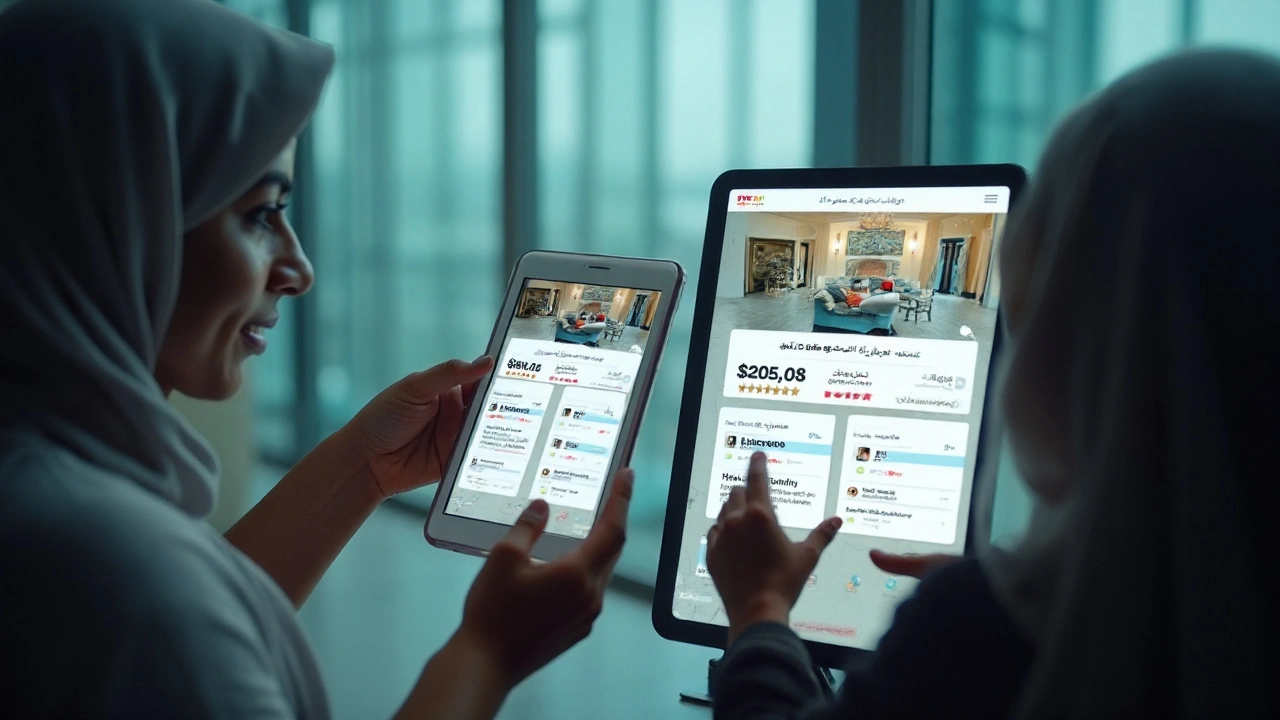
The safer-browsing playbook: verify listings, avoid deposits, keep your data private
Most people don’t want a lecture; they want a checklist that keeps them out of trouble. This is the 3x3 framework I share with friends who message me late at night asking, “Does this look legit?”
Three site-level checks (is the platform real?):
- Domain + SSL: Exact brand spelling, standard extension, valid SSL cert. No mixed content warnings, no expired certs.
- Age + activity: The site has years behind it, fresh ads for your city, and working filters. Stale or empty cities mean trouble.
- Policies: Clear terms, DMCA/copyright text, rules about ad content. Scammers don’t waste time writing policies.
Three ad-level checks (is the listing real?):
- Photos: Natural sets, EXIF stripped (normal), but still plausible. Reverse search to catch stock or celebrity images. Watch for inconsistent tattoos or flags appearing across multiple “profiles.”
- Copy: Simple, consistent language, location-specific details. Scams often use generic flattery and throw dozens of emojis at the wall.
- Price: Outliers are suspicious. If local rates are usually X and an ad is half that, expect a deposit scam or a bait-and-switch.
Three chat-level checks (is the person behind the ad trustworthy?):
- No deposits to strangers: The big one. “Pay now to confirm the booking” is the classic advance-fee scam. Reputable providers may require deposits once you’ve built trust, but they don’t pressure you five messages in.
- Channel sanity: If you reached out by the method on the ad, stick to it. Sudden requests to switch to a mystery website, or “verification” on a random link, are red flags.
- Tempo and tone: Real providers set boundaries, ask screening questions, and state their terms. Scammers rush, flatter, and copy-paste scripts to get money fast.
Payment and privacy basics (because your future self will thank you):
- Use a virtual card with spending limits. If something goes wrong, you can kill the card without cancelling your main account.
- Don’t send ID selfies or photos that reveal your home or work. Blur backgrounds. Drop EXIF data from images.
- Use a burner number (app or prepaid SIM). Keep comms on one device, log out after, and delete messages if that’s your preference.
- Meet decisions: If legal in your area and you proceed, pick venues you know, tell a trusted person the plan, and set check-in times. In Auckland, I tell my mate and set an “all good” message timer. Dad brain never really sleeps.
- Boundaries: Respect them. Consent is the baseline. Read the ad again-what’s offered, what’s not, and the screening required.
Why all the caution? Reports of impersonation and advance-fee scams have climbed across sectors. CERT NZ’s quarterly reports (2024-2025) flag steady social engineering spikes. The FBI’s IC3 2024 data also lists advance-fee and confidence scams among the most-reported categories. Google’s Safe Browsing team has warned for years about typosquatting on popular domains. Different domains, same old playbook.
Bottom line: if you avoid deposits, validate photos, and keep your payment details at arm’s length, you dodge the majority of nasty outcomes.

Legit 2025 alternatives, regional notes, comparisons, and quick answers
Directories aren’t one-size-fits-all. Some shine in Europe, some in North America, some in Oceania. If you typed “massage replica” and meant Massage Republic, you probably want a place with lots of active ads, good filters, and dependable moderation. These are commonly used names in 2025:
| Platform | Primary Regions | Moderation Style | Pricing (for advertisers) | Strengths | Best For |
|---|---|---|---|---|---|
| Massage Republic | Global with strong EU/LatAm | Manual + user reports | Paid listings; tiered | Large inventory, simple filters | General directory browsing |
| Tryst.link | North America, AU/NZ, EU | Manual review; policy-led | Subscription-style | Modern UI, community trust | Discreet searchers prioritising safety |
| AdultWork | UK / Ireland | Mixed; strong policies | Pay-as-you-go tools | UK depth, screening tools | UK-based users |
| Switter (community) | Global (decentralised) | Community moderation | Free (social) | Real-time updates, peers | Finding verified social presence |
| Local boards/forums | City/region-specific | Community + mods | Often free or low-cost | Local intel, recent reviews | Cross-checking info |
| Legit massage clinics | Global | Business directories | N/A | Licensed therapy, health focus | Therapeutic massage only |
Quick fit-guide:
- Want lots of listings and simple filters? Massage Republic is familiar and broad.
- Prefer design, stronger policy language, and a community-focused vibe? Tryst.link tends to attract providers invested in screening.
- In the UK or Ireland? AdultWork has depth and tools for verification.
- Want to verify a provider’s social presence? Switter helps, though it’s a social network not a booking site.
- If you only want a therapeutic massage, use licensed clinic directories and skip adult sites entirely. Easy win.
How to cross-check a listing across platforms (two-minute routine):
- Find the same name or phone number on another reputable directory or social page.
- Check that the photos match and the service boundaries are consistent.
- Compare the stated city and rates across listings. Big discrepancies are a red flag.
UAE, KSA, and similar jurisdictions: Adult services are heavily restricted and usually illegal. Sites are often blocked, and enforcement can be strict. Don’t test the fence. If you need relaxation, book a licensed spa through mainstream apps and keep it simple.
New Zealand and Australia: Sex work laws differ by state/country, but you’ll find more open directories and clearer screening norms. If you’re in Auckland like me, you’ll still want to use a burner number, avoid deposits to strangers, and respect screening. Keep your private details private.
Checklist: red flags that should make you back out
- “Pay deposit to confirm” in the first few messages.
- Only contact method is Telegram/WhatsApp with a handle that appears on scam-report forums.
- Photos that reverse-search to models, celebs, or stock libraries.
- Rates at half the local norm, or constant “today only” pressure.
- Broken English mixed with canned romance lines-or the opposite: a generic ad with no details at all.
- Random “verification” links asking for credit cards or selfies with your ID.
Checklist: green flags that suggest you’re dealing with a pro
- Consistent photos across platforms, with watermarks or unique sets.
- Clear boundaries, screening steps, and rescheduling policy upfront.
- Reasonable rates that match local norms.
- A social footprint you can find (Twitter/Switter/website) with similar tone and details.
- Calm responses that don’t pressure for deposits or overshare personal drama.
Mini-FAQ
- Is “massage replica” a real site? Not usually. It’s often a misspelling of Massage Republic or a clone riding on that name.
- How do I get to the real Massage Republic? Type the name carefully into your browser, ignore sponsored ads if unsure, and pick the exact-match domain you expect from organic results. Check the SSL certificate.
- Are deposits always a scam? Not always, but they’re the #1 tool scammers use. If you’ve never booked with someone, treat any deposit request as high risk.
- Can I share my ID to “verify”? Don’t. Share the minimum needed. Many providers use discreet screening that doesn’t require government IDs.
- What about laws? They vary. NZ decriminalised sex work in 2003 (Prostitution Reform Act). Other places criminalise it. Always check your local laws and act within them.
Next steps and quick troubleshooting
- If you clicked a suspicious clone: Clear your history for that session, run a quick malware scan, and rotate passwords if you entered any.
- If you paid a deposit and it feels wrong: Freeze the card or kill the virtual card. Contact your bank. Collect screenshots and receipts.
- If an image seemed off: Do a reverse search on multiple engines. If it lands on fashion catalogues or multiple unrelated profiles, walk away.
- If you’re not sure about a platform: Search its name plus “scam reports” and the current year. Read a few threads to see recent patterns.
- If you just want a massage without the adult side: Book a licensed clinic via mainstream apps and end the search here.
Personal note from a tired Auckland parent who still reads the fine print: most headaches people message me about start with deposits and end with burner accounts vanishing. Keep your money close, your identity closer, and treat directories like tools-useful when handled right, risky when you rush. Slow down for five minutes and do the checks. You’ll skip 95% of the nonsense.
Similar Posts
Massage Replica: Massage Republic Misspelling, Clones & 2025 Alternatives