Searching for escorts in Islamabad? Here’s the 2025 reality: laws, risks, scams, privacy pitfalls-plus safer, legal alternatives for companionship.

- Created by: Trevor Pennington
- Completed on: 5 Sep 2025
- Categories: escorts in islamabad
If you’re typing escorts in islamabad into a search bar, you’re looking for company, clarity, or both. Here’s the straight talk: in Pakistan, commercial sex is illegal, and Islamabad’s “escort” scene is mostly a mix of coded ads, catfishing, and sting risks. This guide gives you the actual lay of the land-what’s legal, what’s risky, what scams look like, and what safer, legal alternatives exist if what you really want is company without chaos. I won’t point you to services or numbers. I will help you avoid harm, wasted money, and legal trouble.
The 2025 reality behind “escorts in Islamabad”: laws, prices, and what you’ll actually find
Start with the basics: Pakistan criminalizes most things tied to commercial sex-procurement, brothel-keeping, solicitation, trafficking, and obscene public conduct-under the Pakistan Penal Code (PPC) and related rules. That means there’s no open, regulated market in Islamabad. What you see online is a patchwork of coded listings, recycled photos, and middlemen who try to move you to private messaging apps fast.
Because it’s underground, transparency is low and leverage isn’t in your favor. Money often moves one way-yours-without recourse if the person doesn’t show up, changes terms, or leverages your data. People report three patterns again and again: “advance-fee” demands, hotel-lobby no-shows, and honey traps that lead to blackmail.
On law and policy, a few facts shape the risk picture in 2025:
- The PPC prohibits buying or selling a person for the purpose of prostitution (Sections 371A/371B), and criminalizes brothel-keeping and procuring under other clauses.
- The Prevention of Electronic Crimes Act (PECA) 2016 empowers authorities to act on content and communications; Section 37 lets the Pakistan Telecommunication Authority (PTA) block material deemed unlawful.
- The Federal Investigation Agency’s Cyber Crime Wing (NR3C) actively monitors and runs stings tied to obscenity, blackmail, and extortion.
Pakistan Penal Code, s.371A (excerpt): “Whoever sells, lets to hire, or otherwise disposes of any person with intent that such person shall at any time be employed or used for the purpose of prostitution…”
Price chatter you see online is a bad compass. Publicly floated quotes are part of the funnel, not a promise. People report sky-high “model” rates to create status pressure, or too-good-to-be-true quotes to nail an upfront transfer. Either way, the goal is to get you to pay before you have any control.
Common signals in Islamabad’s online listings:
- Stock-model photos you can reverse-image search to Dubai or Mumbai ads from years ago.
- Insistence on advancing 5,000-20,000 PKR “for booking,” “security,” or “driver.”
- Rapid switch from an ad site to WhatsApp/Telegram with a different country code.
- Pressure to meet at a hotel lobby where you can be seen; last-minute “upgrade fees.”
- Threats to leak your chats or pictures if you don’t pay more-classic sextortion.
Because this space is both illegal and digitized, the risks are stacked. Recruiters use fear of social stigma to force payments. Enforcement sometimes uses the same channels to investigate. That puts you in a double bind: financial risk if it’s a scam; legal risk if it’s a sting; reputational risk regardless.
Here’s a concise snapshot to keep your bearings:
| Topic | 2025 Snapshot (Islamabad) | Source/Notes |
|---|---|---|
| Legal status | Commercial sex is illegal; procurement, brothel-keeping, solicitation prohibited. | PPC incl. s.371A/B; related provisions on brothels/soliciting. |
| Typical enforcement | Online monitoring, stings, raids, content blocking. | FIA NR3C; PECA 2016; PTA blocking powers (Rule 2021). |
| Penalty range | Procurement/trafficking severe (often 10-25 years + fines); obscenity/public acts carry lesser jail/fines. | PPC s.371A/B; PPC 292-294. |
| Digital risks | Advance-fee scams, identity exposure, sextortion, device malware. | Consistent with FIA case reports; common scam patterns. |
| “Price” signals | Wide ranges (10k-60k+ PKR) seen online; often used to bait prepayment. | Anonymized user reports; not a reliable market indicator. |
| Reputation risk | High-screenshot leaks, blackmail, public exposure in hotels. | Stigma + platform privacy gaps. |
If you’re a traveler, add an extra layer of caution. Many hotels request CNIC/ID verification for visitors and can make calls if something looks off. Unmarried couple policies vary and can be strictly enforced under local norms. What might be discreet in some countries can be very public in Islamabad.
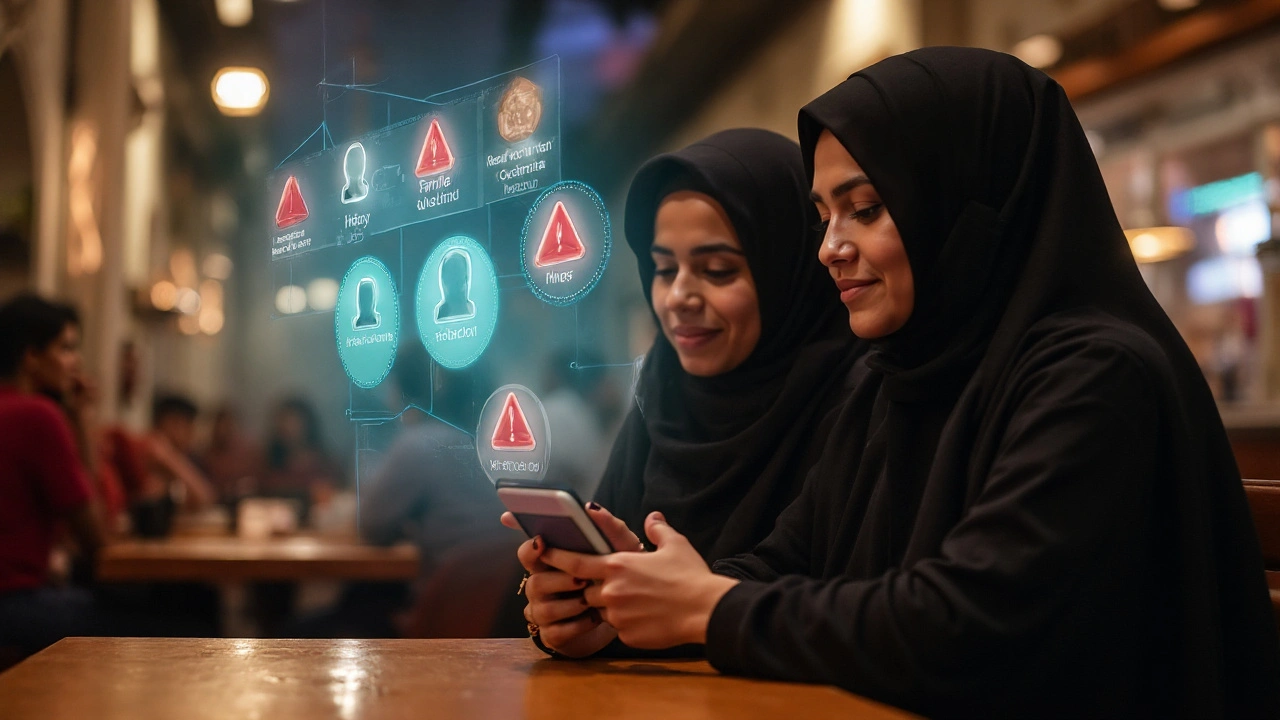
Safety, privacy, and legality: practical rules to avoid harm
The safest move is to step away from illegal offers. If you still find yourself in risky DMs or lobbies, treat this like a fire drill: keep your money, identity, and device clean. You can’t control everything, but you can control your exposure.
Use these rules of thumb:
- No prepayments, period. No “security,” “driver,” or “room booking” transfers. If money moves before you have control, you’re already behind.
- Keep your ID off the table. Don’t share CNIC/passport photos, home address, workplace, or a selfie holding your ID. That’s blackmail fuel.
- Separate your comms. Use a secondary number and a fresh email that doesn’t carry your real name. Disable automatic photo backups.
- Scrub metadata. Before sending any photo of yourself (better yet, don’t), strip EXIF data or use screenshots to remove location tags.
- Bank hygiene. Never use your main bank app or card in risky flows. If you ever must move money online in Pakistan, keep it legitimate and traceable, and never to unknown wallet IDs.
- Public meets are not always safer. Hotel lobbies and cafés have cameras and staff; you might think it’s safe, but it can expose you to embarrassment or worse.
- Avoid closed-door “raids” setups. If you’re being pushed into a private room fast, you could be walking into an extortion scene.
- Consent and boundaries. Even in legal contexts anywhere, consent is the line. In illegal contexts, consent is complicated by coercion and risk. Walk away if anything feels off.
If you’re hit with threats (“We’ll leak your chats to your family,” “Pay or we file a complaint”), pause. Panic payments reward the tactic and often lead to more demands. Do this instead:
- Stop sending anything. No more photos, no more money, no more replies that admit fault.
- Collect evidence-IDs, numbers, screenshots-but don’t escalate.
- Report extortion/blackmail to the FIA Cyber Crime Wing (NR3C). They handle PECA offenses like online blackmail and image abuse.
- Tell one trusted person offline. Isolation makes you easier to manipulate.
On health: commercial sex in a criminalized space usually lacks screening and protection. If you end up in any sexual situation against your better judgement, protect your health-use condoms and get tested. WHO and UNAIDS have been blunt for years about the risks tied to criminalization because it pushes everything into the dark, away from services.
A note on devices: risky conversations tend to lead to risky files. Don’t install unknown APKs, configuration profiles, or “photo unlocker” tools sent over messaging apps. That’s how you get spyware. Android users should turn off “Install unknown apps” and iPhone users should avoid enterprise profiles from strangers.
Here’s a quick playbook to use in the moment:
- If someone asks for an advance: “No advances. If that’s not fine, I’ll pass.” Then stop engaging.
- If someone changes the meeting place again and again: end it. Constant venue change is a control tactic.
- If a “driver” shows up instead of the person: walk away. Middlemen create distance and confusion.
- If threats start: take screenshots, stop replying, and prepare a report to NR3C.
One more legal reminder: Pakistan’s PTA can block or flag content deemed “immoral,” and PECA’s enforcement net is wide. You don’t want your name, device, or payment trail attached to a chat log that looks like a solicitation thread.

Better, legal ways to find company in Islamabad (and travel‑smart options)
If the real need is connection, you have options that don’t risk your money, liberty, or reputation. You just need to match the plan to the place.
Low‑risk, legal options in Islamabad:
- Social venues with a vibe. Higher‑end cafés and live‑music spots attract mixed crowds in the evenings. You’re there for food or a gig, not transactions.
- Interest‑based events. Photography walks, book clubs, and startup meetups happen regularly. You get conversation without awkward pressure.
- Guided experiences. If you want company for a few hours, hire a licensed guide for a food tour or day trip to the Margalla Hills. It’s companionship with a clear, legal frame.
- Dating apps, used carefully. Tinder and Bumble exist but are more discreet in Islamabad. Set your profile to respectful, avoid any commercial hints, and take it slow. Meet in public, and keep expectations modest.
- Wellness that’s not a euphemism. Legit spas and gyms offer exactly what they say: massage for relaxation, not coded services. If it sounds like a wink‑wink ad, it’s probably a risk.
If you’re set on adult services but also set on staying on the right side of the law, the honest answer is travel planning. Some countries regulate or decriminalize sex work (for example, New Zealand decriminalized sex work under the Prostitution Reform Act 2003 with safety regulations). That doesn’t make every offer safe, but it does change the risk math. If you consider this route:
- Research the law in that jurisdiction from primary sources (government sites, statutes).
- Use platforms that verify age and consent and have transparent policies.
- Keep the same safety habits: no advance transfers, meet in public first if possible, respect boundaries.
Two things I’d keep front‑and‑center, whether you’re in Islamabad or anywhere else:
- Consent isn’t a checkbox; it’s a live conversation. If the vibe flips, you stop.
- Privacy is a strategy, not a setting. Control data, control money, control venues.
Here are quick answers to questions people usually have but hate to ask out loud:
- “Is it illegal to just message an escort ad?” Messaging in itself isn’t the charge; it’s what you say, share, and do. Solicitation and obscenity laws can apply based on content. Don’t test the edges.
- “What if an ad says ‘no advance’-safe then?” Not a guarantee. The script can change mid‑chat or at the meeting point. “No advance” is bait if everything else looks sketchy.
- “How do I verify photos?” Reverse‑image search is a start. If photos appear in multiple cities or years apart, assume they’re not current.
- “What if I already sent money?” Stop. Don’t send more to “unlock” or “cancel.” Document, then report extortion to NR3C.
- “Is condom use enough to stay safe?” Condoms reduce STI risk, but they don’t reduce legal or extortion risk. Different problems, different protections.
I live in Auckland, a place with very different laws and norms. That contrast makes one point crystal clear: when a market is illegal, the rules aren’t on your side. Your wallet, your name, and your freedom are all in play. If you came here looking to buy a quiet evening, weigh that against the loud fallout if anything goes wrong.
Ethical next steps if you were about to book something risky:
- Pause the chat. Delete any compromising images from both sides.
- Run a quick device check. Update your OS, scan for malware, revoke app permissions you don’t recognize.
- Channel the energy into a legal plan tonight-live music, dinner with friends, a late cinema-so you’re not doom‑scrolling back into DMs.
- Plan a future trip where the law matches your intentions. Research that law carefully.
If you only remember one sentence: illegal markets turn simple needs into complicated risks; legal alternatives make the same needs boring-in the best way.
Next steps / Troubleshooting
- If you’re a local professional: Keep personal and work devices separate. Never use company numbers or emails in risky chats.
- If you’re a traveler: Learn your hotel’s guest policy. Avoid lobbies as meeting points for anything private.
- If you’re a student: You’re a prime target for sextortion. Don’t share faces, IDs, or campus details in DMs-ever.
- If the blackmail has already started: Stop engaging, collect evidence, and prepare an NR3C report. Tell one trusted friend for support.
None of this is about judging your wants. It’s about keeping you safe, within the law, and out of the kind of mess that follows you for years.
Similar Posts
Escorts in Islamabad (2025): Laws, Risks, and Safer, Legal Alternatives