A clear, respectful guide to erotic spas: what they are, how to choose a safe venue, consent and etiquette, common modalities, pricing, and FAQs-no fluff.

- Created by: Trevor Pennington
- Completed on: 28 Sep 2025
- Categories: Sexual Wellness
Searches for erotic spa spike late at night, but most people still don’t know what’s actually on the menu, what’s legal, or how to keep it safe and respectful. Here’s the clear, no-nonsense guide you were hoping to find-what it is, what it’s not, how to choose a reputable place, and how to handle boundaries like an adult.
Erotic spa is a type of wellness venue focused on sensual relaxation and mindful touch, blending atmosphere (dim lights, warm oils, soft music) with massage-like techniques that emphasize arousal-aware comfort rather than medical treatment. Sensual spa sessions vary widely by country, city, and specific studio policies. This guide explains the spectrum so you can make informed, safe choices without guesswork.
Quick summary
- Definition: A sensual-focused space for relaxation and touch, not a medical clinic. Policies vary by location and venue.
- Boundaries first: Discuss what’s on/off the table before you start. Consent is ongoing and revocable.
- Safety: Check licensing, hygiene standards, clear pricing, and transparent policies.
- Etiquette: Be clean, be respectful, don’t assume sexual acts, tip fairly, and communicate clearly.
- Legal: Local laws differ a lot; know the rules where you are to avoid risk.
What an erotic spa is-and what it isn’t
Think “sensual relaxation,” not “medical therapy.” A traditional clinic treats injuries and has therapeutic goals. An erotic spa leans into ambience and slow, attentive touch that aims to relax, heighten sensation, and ease stress. Some places keep touch strictly external and professional; others allow a broader range of intimacy depending on local law and their internal policies. Never assume. Ask.
Massage therapy is a licensed health service in many countries that treats soft-tissue pain and dysfunction, whereas erotic settings focus on pleasure-oriented relaxation. If you want pain relief, go clinical. If you want atmosphere and sensual touch, this is the lane-but always within the venue’s rules.
Legal basics and consent (no surprises)
Laws change by country and even by city. Don’t rely on hearsay. In some places, erotic massage studios operate legally under specific licensing. In others, any sexual contact in a commercial setting is illegal. For example, New Zealand reformed sex work through the Prostitution Reform Act 2003 a national law that decriminalized sex work while imposing health, safety, and employment standards. Other regions maintain strict bans. If you’re traveling, look up local statutes before booking.
Consent isn’t a formality; it’s the entire foundation. Consent is a clear, freely given, informed, and reversible agreement to participate in a specific activity Affirmative consent. Good venues review boundaries, offer a way to pause/stop, and check in throughout the session.
Common modalities you might see
Names differ, but you’ll often hear these terms:
- Tantra a spiritual and somatic tradition that uses breath, eye contact, slow touch, and presence to deepen sensation and intimacy. In commercial settings, sessions range from fully clothed energy work to sensual bodywork. Authentic practitioners emphasize breath and boundaries over performance.
- Nuru massage a style using a thick, slippery gel (often seaweed-based) for body-to-body gliding. It’s more about glide and skin contact than muscle therapy. Check that the gel is skin-safe and fragrance-free if you’re sensitive.
- Prostate massage a focused technique that stimulates the prostate; sometimes marketed for pleasure and pelvic wellness. This requires strict hygiene, latex or nitrile gloves if internal contact is permitted, and an explicit consent talk. Many venues do not offer this; don’t assume.
- Sauna a dry heat room (typically 70-100°C) that promotes sweating and relaxation and Hammam a steam-based bathing ritual from Turkish and Maghrebi traditions involving exfoliation and rinsing. Some erotic spas include heat rooms to loosen muscles and set a calm tone before soft-touch work.
- Hydrotherapy warm pools, Vichy showers, and contrast baths used to relax tissues and shift the nervous system toward rest-and-digest. Great as a pre-massage primer.
Professional bodies like the American Massage Therapy Association a US-based professional organization for massage therapists that publishes safety and practice guidelines AMTA draw a clear line between clinical therapy and sensual services. Reputable erotic venues do the same and put consent front and center.
How to choose a reputable, safe venue
- Licensing and transparency: Look for visible business licensing, clear service menus, and written policies on boundaries, draping, and touch.
- Hygiene standards: Fresh linens for every client, clean showers, covered trash bins, sanitizer, and glove use for any internal contact (if offered).
- Staff professionalism: No pressure tactics. Practitioners should explain what’s included, ask about allergies, and review your boundaries before starting.
- Pricing clarity: Fixed rates, clear add-ons, no surprise “room fees,” and card receipts where legal. If prices feel vague, walk away.
- Reviews that sound real: Balanced feedback mentioning specifics like “clean sauna,” “boundary talk at the start,” or “they checked on pressure.” Copy-paste hype is a red flag.
- Communication fit: If a venue dodges simple questions (“Is nudity involved?” “Can I opt out of oil?”), choose another.
Etiquette that keeps everything smooth
- Before you go: Shower, avoid heavy colognes, trim nails. If you’re sick, reschedule.
- On arrival: Ask how they handle draping, touching, and stopping. Agree on a simple “pause” word.
- During the session: Stay on the table unless invited to move. Don’t grab, don’t take off more clothing than agreed, and speak up if something feels off.
- After: Hydrate, tip if customary in your area (10-20% depending on local norms and policies), and give feedback on what worked.
- Privacy: No photos or recording. Many venues ban phones in treatment areas. Good rule: don’t put staff or other clients on camera, ever.
Health, safety, and realistic expectations
The vibe is sensual, but you’re still in a professional setting. Good venues treat safety as non-negotiable.
- Skin products: Ask about ingredients. If you have sensitive skin, request a patch test or a neutral oil (like fractionated coconut or grapeseed). Avoid nut oils if you have allergies.
- Gloves and barriers: Any internal contact, if allowed, should use medical-grade gloves and fresh lubricant. No gloves, no go.
- Infection risk: Sensual touch without exchange of bodily fluids is low risk, but not zero. The World Health Organization a UN specialized agency that issues global health guidance WHO and the Centers for Disease Control and Prevention the US public health agency providing evidence-based infection control recommendations CDC stress hand hygiene, clean linens, and barrier use where bodily fluids could be involved. If a venue is casual about cleaning, don’t book.
- STI basics: Sexually transmitted infection infections transmitted primarily through sexual contact, including chlamydia, gonorrhea, syphilis, and HIV STI risk rises with unprotected genital contact. Reputable venues keep services within safer boundaries and follow strict hygiene policies.
- Expectations: If you’re expecting explicit sexual acts, you may be disappointed or break venue rules. Stick to the agreed scope.
What actually happens during a session
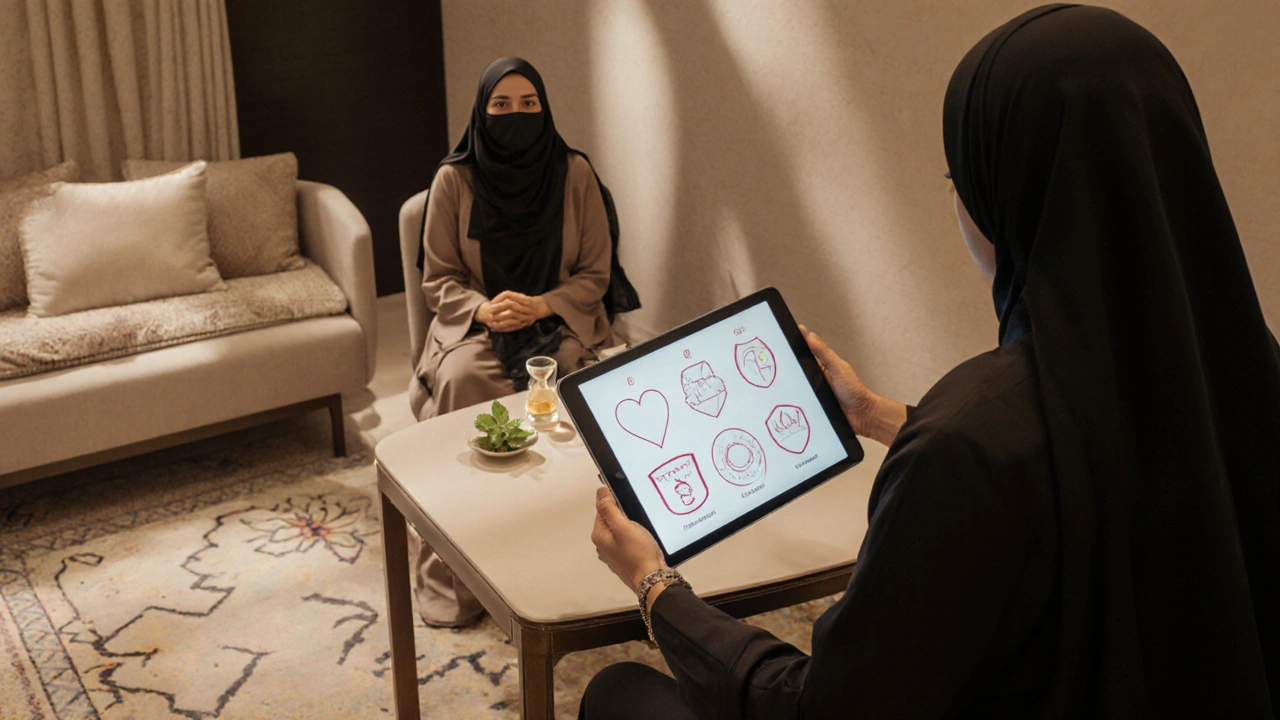
Every venue is different, but a typical flow might look like this:
- Intake: You’re greeted, shown facilities, and given a short form or verbal check-in about allergies, sensitive areas, and boundaries.
- Ground rules: The practitioner explains draping, touch limits, signal words, and how to request more or less pressure.
- Warm-up: You might shower, sit in a sauna, or relax in a warm room to loosen up.
- Bodywork: Slow, oil-based touch, sometimes with body-to-body techniques (if allowed). You can always adjust pace or pressure with your voice.
- Cool-down: Towel off, hydrate, maybe a short debrief. You confirm payment and leave a tip if that’s the local norm.
Comparison: erotic vs. other spa and massage options
| Setting | Primary Intent | Touch Boundaries | Clothing/Draping | Regulation | Best For |
|---|---|---|---|---|---|
| Day Spa | Relaxation, skincare | Non-intimate, professional | Draped; client underwear or spa garments | Business licensing; therapist licensing varies by country | Facials, standard massage, heat rooms |
| Medical Massage/Physio | Pain relief, rehab | Clinical, goal-based | Draped; targeted access to muscles | Strict health regulation and licensing | Injury recovery, chronic pain |
| Traditional Thai Massage | Stretching, pressure | Non-intimate; clothes-on | Loose clothing (no oils) | Licensed where regulated | Mobility, deep pressure without oils |
| Hammam | Steam, exfoliation | Non-intimate body cleansing | Traditional wraps; gender-separate in many places | Varies by country | Cleansing ritual, heat relaxation |
| Erotic Spa | Sensual relaxation | Varies by venue; consent-driven | Ranges from draped to partial nudity per policy | Highly variable; check local law | Mindful sensual touch and atmosphere |
| Sensual Massage Studio | Intimacy-focused bodywork | Defined boundaries; no assumptions | Depends on policy; always clarified first | Varies; may be stricter than spas | Couples exploration, guided sensuality |
Costs, timing, and what affects price
Prices swing wildly by city and service. A short, basic session might start around local-equivalent mid-tier day spa rates, while extended, customized sessions can be several times higher. What pushes price up?
- Facility quality: Private suites, steam rooms, premium linens, showers.
- Specialized skills: Tantric breath guidance, body-to-body techniques, couples coaching.
- Time and customization: Longer sessions with tailored rituals or hydrotherapy add-ons.
- Location and legality: Where regulation is strict or risk is high, prices often rise.
Pro tip: If a price seems too good to be true, ask why. Corners cut on hygiene or training are not worth the discount.
Smart questions to ask before you book
- “What exactly is included in the session?” (Get specifics on touch, draping, and any add-ons.)
- “How do we handle boundaries and safe words?” (They should have a clear answer.)
- “What products do you use? Can I request unscented?” (Allergy-friendly is a good sign.)
- “Do you offer couples sessions?” (Policies differ.)
- “What’s your cancellation policy?” (Transparent businesses tell you plainly.)
- “How do you maintain hygiene between clients?” (Listen for specifics: fresh linens, sanitized surfaces, glove use where relevant.)
Special scenarios: first-timers, couples, and travelers
First-timers: Share any nerves openly. A good practitioner will slow down, explain options, and check in often. Keep the first session simple-no need to stack on add-ons until you know what you like.
Couples: Clarify goals. Are you boosting connection, learning sensual touch you can repeat at home, or just curious? Ask for take-home tips-breathing rhythms, slow stroke patterns, and eye-contact exercises can deepen intimacy beyond the spa.
Travelers: Laws can be strict, especially in parts of the Middle East and Asia. Stick to mainstream spa services if you’re unsure, and don’t assume what’s legal at home applies abroad.
Red flags-when to bail immediately
- Vague answers about what’s included or what’s legal.
- Pressure to upgrade services mid-session without clear consent.
- Unwashed linens, used razors or toiletries in showers, or generally dirty rooms.
- No clear payment policy or insistence on off-the-books methods in places where cards are standard.
- Practitioner ignores your “stop” or “less pressure” requests. You can end a session at any time.
Simple at-home alternatives if a venue isn’t right for you
You can bring some of the calm and closeness home:
- Set the scene: Warm lighting, two towels straight from the dryer, unscented oil in a small pump bottle.
- Agree on a 30-45 minute window with phones off. Boundaries first, even at home.
- Use slow, full-hand strokes from shoulders down the arms, then back, then legs. Think “unhurried presence,” not “technique.”
- Try a 5-5-5 breath rhythm: Inhale 5, hold 5, exhale 5-together. It settles nerves and syncs you up.
Mini checklist
- Know the laws where you are.
- Confirm what’s included before the session starts.
- Hygiene: fresh linens, clean showers, gloves for any internal contact.
- Safe word agreed and respected.
- Clear, written pricing and cancellation policy.
Next steps and troubleshooting
- If you feel pressured: Pause the session and restate boundaries. If pressure continues, end it and do not return.
- If expectations don’t match: That’s a sign the venue isn’t a fit. Ask for a partial refund only if policies back it up.
- If you had a skin reaction: Rinse with lukewarm water, avoid fragranced products, and use a simple moisturizer. For severe reactions, seek medical advice.
- If boundaries were violated: Document what happened, contact management, and consider reporting to relevant authorities if laws or safety standards were breached.
- To build confidence: Start with a short, clearly defined session and a practitioner who communicates well. Add complexity later.
Frequently Asked Questions
What exactly happens at an erotic spa?
It’s a sensual relaxation experience with slow, attentive touch in a calm setting. Think warm oils, soft music, optional heat rooms, and careful attention to comfort and boundaries. The specifics (draping, level of nudity, touch limits) vary by venue and law. Always clarify what’s included before the session begins.
Is it legal to visit an erotic spa?
It depends entirely on where you are. Some countries and cities allow sensual massage venues with rules; others ban any sexual contact in commercial settings. Check local laws, venue licensing, and posted policies. When in doubt, stick to standard spa services that you know are legal.
How do I know if a venue is reputable?
Look for clean facilities, fresh linens, clear written policies on touch and boundaries, straightforward pricing, and staff who communicate well. Reviews should mention specifics like hygiene, professionalism, and consent practices. If answers to basic questions are vague, choose another venue.
What should I do if I feel uncomfortable during a session?
Say “pause” or “stop,” restate your boundaries, and adjust the session. Consent is continuous and you can end the session at any time. If your wishes aren’t respected, leave and report the issue to management or authorities, depending on the situation and local laws.
Do I have to be naked?
No. Clothing and draping are based on venue policy and your comfort. Many sessions involve partial draping or specific garments. Discuss options at the start and choose what feels right for you within house rules.
How much should I tip?
Where tipping is customary, 10-20% is common for personal services if policies allow it. Some venues include service charges or ban tips; just follow the house rules. When in doubt, ask discreetly at the front desk.
Is it safe from an STI perspective?
Sensual touch without exchange of bodily fluids is lower risk than sexual intercourse, but hygiene still matters. Look for clean linens, handwashing, and barrier use for any contact where fluids could be involved. If a venue downplays hygiene, skip it.
What if my partner and I want to try a couples session?
Ask for a couples-focused session that includes boundary-setting, guided breathwork, and simple techniques you can replicate at home. Share your goals (connection, relaxation, learning new touch) so the practitioner can tailor the experience.
Similar Posts
Erotic Spa Guide: What It Is, How to Choose, Etiquette, and Safety
Sexual Massage: A Safe, Consent-First Guide for Couples
Curious about sexual massage? Get a clear, consent-first guide: what it is, what it isn’t, how to set boundaries, build intimacy, pick oils, and stay safe and legal.