Curious about flying KTM to DXB? Find everything you need for a Kathmandu to Dubai trip—airlines, visa advice, prices, and real-deal travel tips.
Nepal to UAE Travel Guide – Your Quick Start Handbook
If you’re packing your bags in Kathmandu and heading for Dubai, Abu Dhabi or Sharjah, you probably have a million questions. When does the visa arrive? Which airline gives the best price? How much cash should you carry? Below you’ll find straight‑forward answers that let you book, fly and enjoy the UAE without surprise hiccups.
Visa and Entry Requirements
Tourists from Nepal need a visa before stepping foot in the UAE. The most common route is the e‑visa, which you apply for online through the official UAE immigration portal or a trusted travel agency. The process usually takes 3‑5 business days, but applying a week early leaves room for any document check.
Required documents are simple: a passport valid for at least six months, a recent passport‑size photo, proof of a return ticket, and a hotel reservation or a sponsor’s invitation. The fee ranges from USD 30 to USD 100 depending on the visa’s length (30‑day single entry is most popular).
When you land, immigration will check your passport, visa confirmation, and sometimes ask about your accommodation address. Keep a printed copy of your e‑visa on hand—even though it’s stored electronically, a hard copy speeds up the check‑in.
Practical Travel Tips
Flights from Tribhuvan International Airport to Dubai operate daily with airlines like Air India, Emirates, and Flydubai. Direct flights are about 4½ hours; a connecting flight through Doha or Bangkok adds a few hours but can be cheaper. Booking 4‑6 weeks ahead usually nets the best fares.
Currency conversion is another common snag. The UAE dirham (AED) is pegged to the US dollar, making it easy to estimate costs. Exchange a small amount in Kathmandu for immediate expenses, then withdraw cash from ATMs in the UAE for a better rate. Credit cards are widely accepted in hotels, malls and restaurants, but keep some cash for street markets or small bazaars.
Dress code matters in public places. While malls and hotels are Western‑friendly, avoid overly revealing clothes when you’re outside them. Men should wear shorts no shorter than 3 inches, and women should keep shoulders covered. This simple respect avoids unwanted attention.
Transport around the UAE is cheap and efficient. The Dubai Metro links the airport to major attractions; a Nol card topped with 20 AED gives you unlimited rides for a day. For trips to Abu Dhabi or Sharjah, the inter‑city bus network runs hourly and costs under 20 AED per ticket.
Staying connected is easy—local SIM cards are sold at the airport for around AED 30 with 5 GB data. A reliable internet connection lets you use translation apps, navigate with Google Maps, and book rides on Uber or Careem.
Safety-wise, the UAE ranks high on global indices. Crime rates are low, but pickpocketing can happen in crowded souks. Keep your wallet in a front pocket, and use hotel safes for passports and valuables.
Finally, respect local customs during Ramadan. Eating, drinking or smoking in public during daylight is prohibited for everyone, not just Muslims. Restaurants will usually have a “Ramadan” sign and may only serve food after sunset.
With the visa sorted, flight booked, and a handful of practical tips under your belt, your Nepal‑to‑UAE journey can be smooth and enjoyable. Pack smart, stay aware, and soak in the mix of ultra‑modern skyscrapers and timeless desert culture that makes the UAE a standout destination.
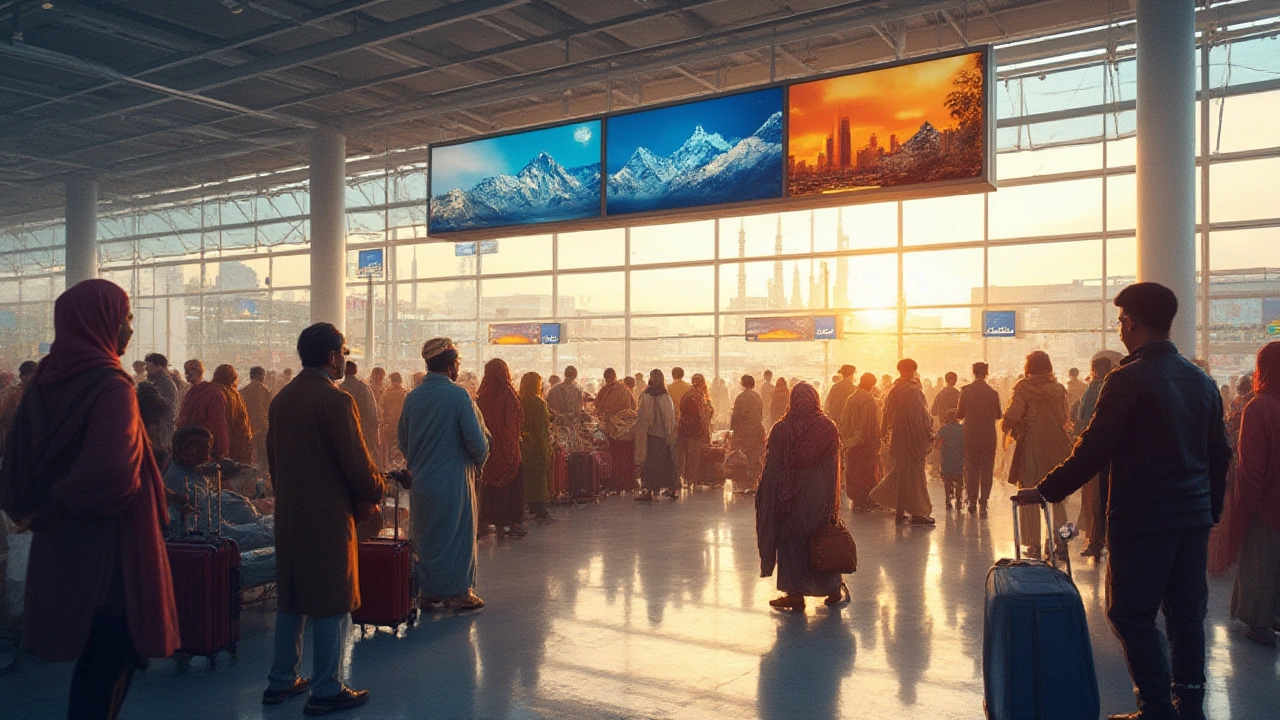
Easy Guide: Flights, Tips, and Essentials from Kathmandu to Dubai (KTM to DXB)