Searching for shemale escorts in Dubai? Here’s the real talk: the term is offensive, the activity is illegal, and the risks are high. Learn safer, respectful alternatives.
LGBT Rights in the UAE – What You Need to Know (2025)
If you’re thinking about visiting or living in the United Arab Emirates and want to understand how LGBT issues are handled, you’ve come to the right place. The UAE is a mix of modern skylines and traditional values, and that blend shows up in its laws and everyday life. Below you’ll get a clear picture of what’s legal, what’s risky, and how to stay safe while respecting the local culture.
Current Legal Landscape
In the UAE, same‑sex sexual activity is illegal under the Penal Code. The law can lead to fines, imprisonment, or deportation for non‑citizens. Public displays of affection, even between opposite‑sex couples, can also attract attention from authorities. While the law focuses on actions rather than identity, transgender people face additional hurdles when it comes to documentation and health services.
That said, enforcement varies by emirate and situation. In Dubai and Abu Dhabi, police tend to focus on public order rather than hunting down private behavior. However, any complaint or police report can trigger an investigation, so discretion is key.
Recent years have seen small signs of change. Some private clubs and expatriate circles host discreet LGBTQ‑friendly events, and a few corporations have started offering internal support groups. These shifts are mainly confined to private spaces and do not change the legal framework.
Practical Tips for LGBTQ Travelers
1. Keep it private. Avoid any public displays of affection, even subtle gestures. A hug or a kiss in a crowded market could draw unwanted attention.
2. Choose accommodation wisely. Look for hotels that are known for international clientele and have a reputation for respecting privacy. High‑rise hotels in Dubai Marina or Abu Dhabi’s Yas Island tend to be more discreet.
3. Stay informed about local events. Pride parades or public LGBTQ gatherings are not officially permitted, so any advertised event should be treated with caution. Rely on trusted friend networks or reputable expat forums for up‑to‑date info.
4. Use secure communication. If you need to discuss personal matters, use encrypted messaging apps. Public Wi‑Fi in cafes can be monitored, so a VPN adds an extra layer of safety.
5. Know the emergency contacts. In case of a legal issue, contact your embassy immediately. Most embassies have 24‑hour hotlines for nationals facing legal trouble.
6. Respect local customs. Dress modestly in public areas—especially in more conservative emirates like Sharjah. Long sleeves, trousers, and shirts that cover the shoulders reduce the risk of unwanted attention.
7. Connect with support groups. While official LGBTQ organizations are not allowed, online communities on platforms like Reddit or private Facebook groups can offer advice and local contacts.
Remember, the UAE’s legal stance does not change overnight. The safest approach is to keep personal matters private, follow local customs, and stay aware of the latest news. By doing so, you can enjoy the stunning architecture, vibrant food scene, and desert adventures without unnecessary hassle.
Finally, keep an eye on any updates to the law. The UAE government occasionally reviews its statutes, and a shift—however small—could affect how LGBT individuals are treated. Check reputable news sites or your embassy’s travel advisory before each trip.
Living or traveling in the UAE as an LGBTQ person calls for common sense, discretion, and respect for the local culture. Follow these tips, stay aware, and you’ll have a smoother, more enjoyable experience in this dynamic part of the world.
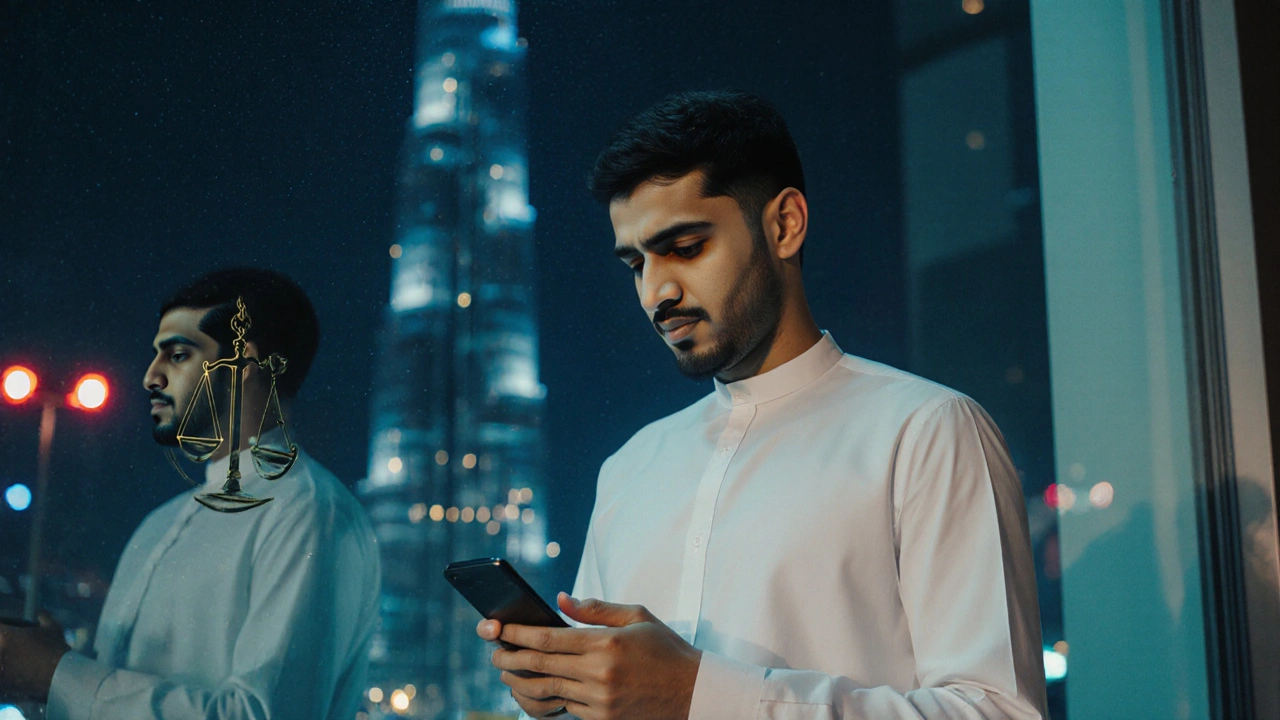
Shemale Escorts in Dubai: Laws, Safety, and Respectful Alternatives (2025 Guide)